Your one-stop solution for fitness and wellness.
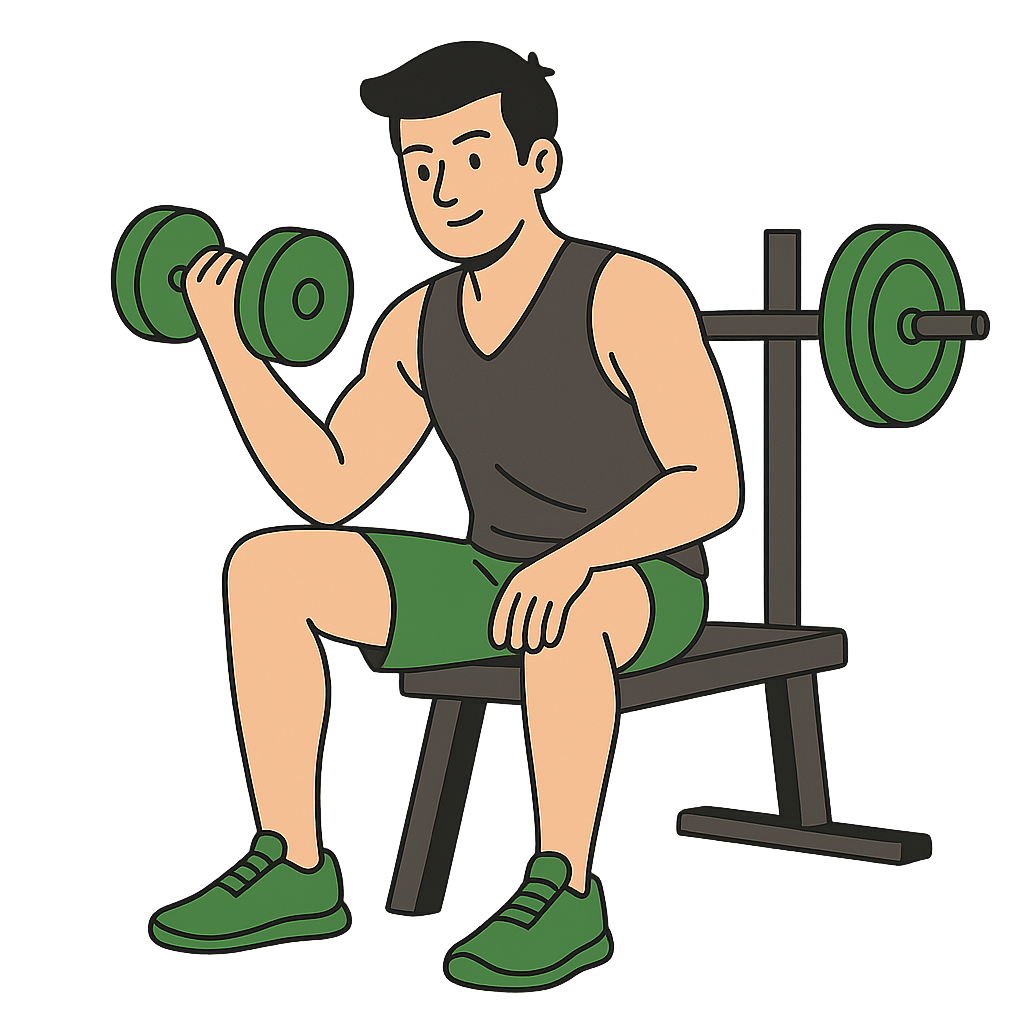
Biceps are a key muscle group in the upper arm, primarily responsible for flexing the elbow and rotating the forearm. They consist of two main muscles: the biceps brachii and the brachialis. Strong biceps not only enhance your arm aesthetics but also play a vital role in various pulling movements, such as lifting and carrying objects. Effective exercises for building biceps strength include bicep curls, hammer curls, and chin-ups. These exercises target the biceps from different angles, promoting balanced muscle development and growth. Incorporating a variety of biceps exercises into your routine is essential for achieving optimal results and preventing muscle imbalances.
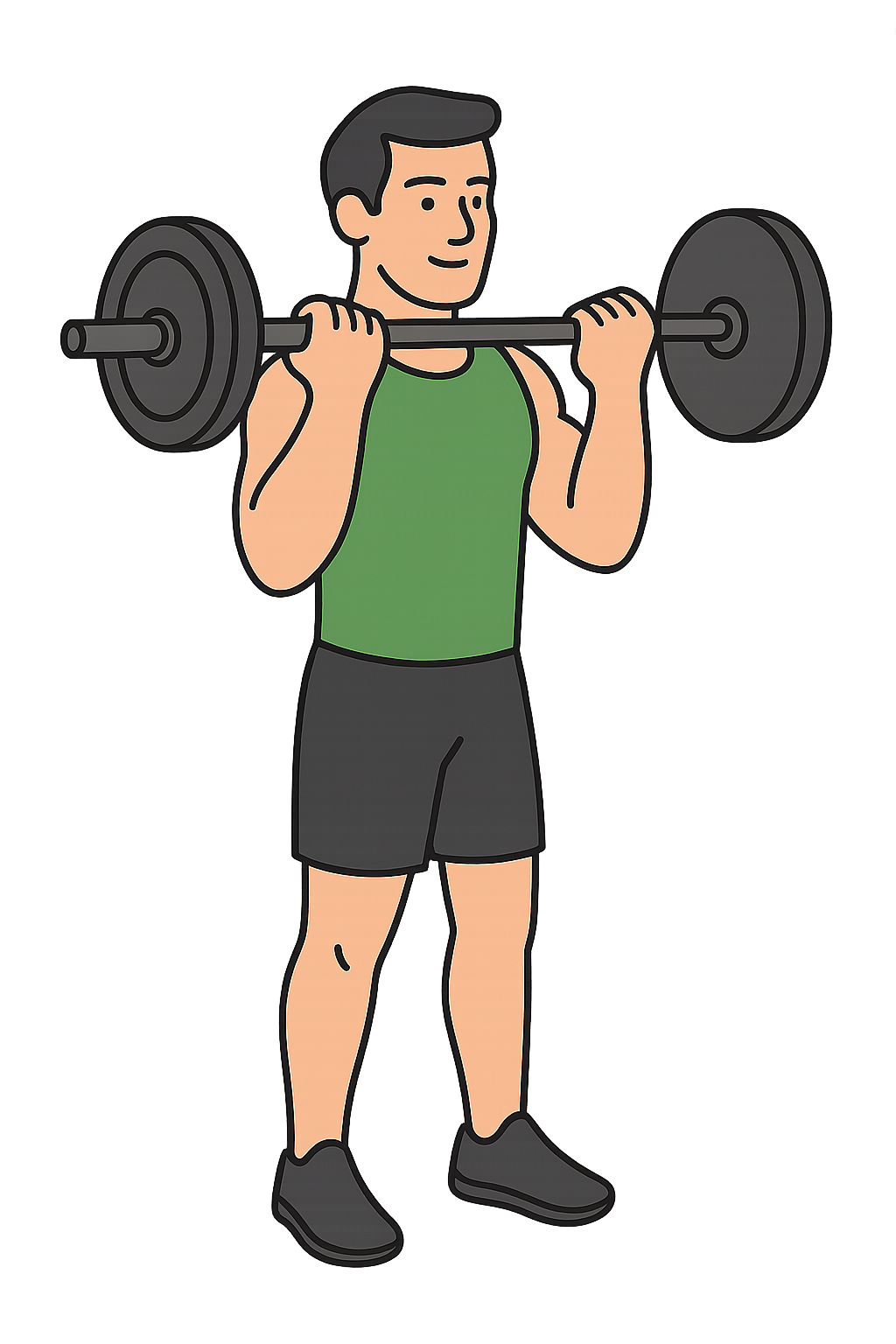
Bicep curls are a classic exercise that effectively targets the biceps brachii muscle. They can be performed with dumbbells, barbells, or resistance bands. Proper form is crucial to ensure maximum effectiveness and prevent injury. Start with a weight that allows you to perform 8–12 repetitions with good form, gradually increasing the weight as you become stronger. Incorporating bicep curls into your workout routine will help you achieve impressive arm strength and aesthetics.
In addition to strength training, maintaining proper nutrition and recovery practices is crucial for optimal biceps development. A balanced diet rich in protein, healthy fats, and carbohydrates supports muscle growth and repair. Adequate rest and recovery time allow the muscles to heal and adapt, leading to improved strength and performance over time. By consistently following a well-rounded biceps workout routine and prioritizing nutrition and recovery, you can achieve impressive results in your arm strength and aesthetics.
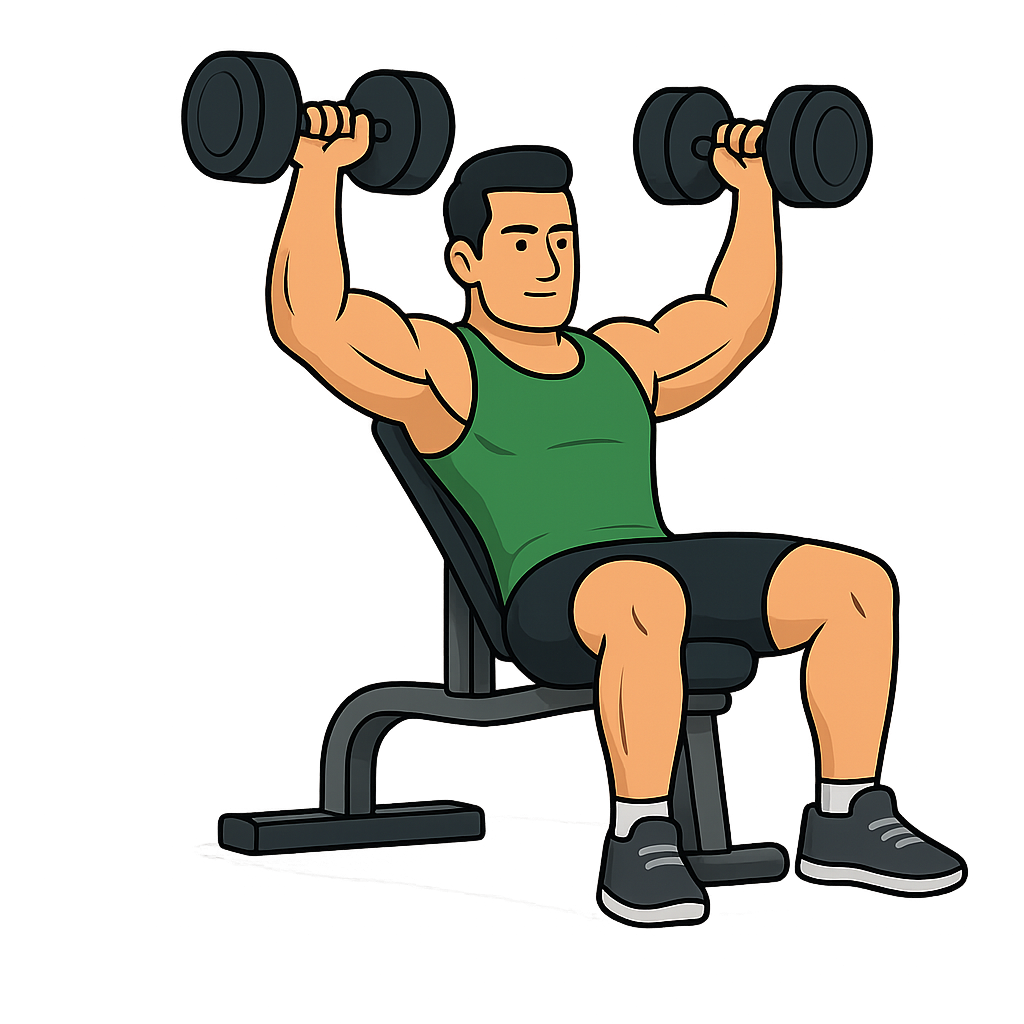
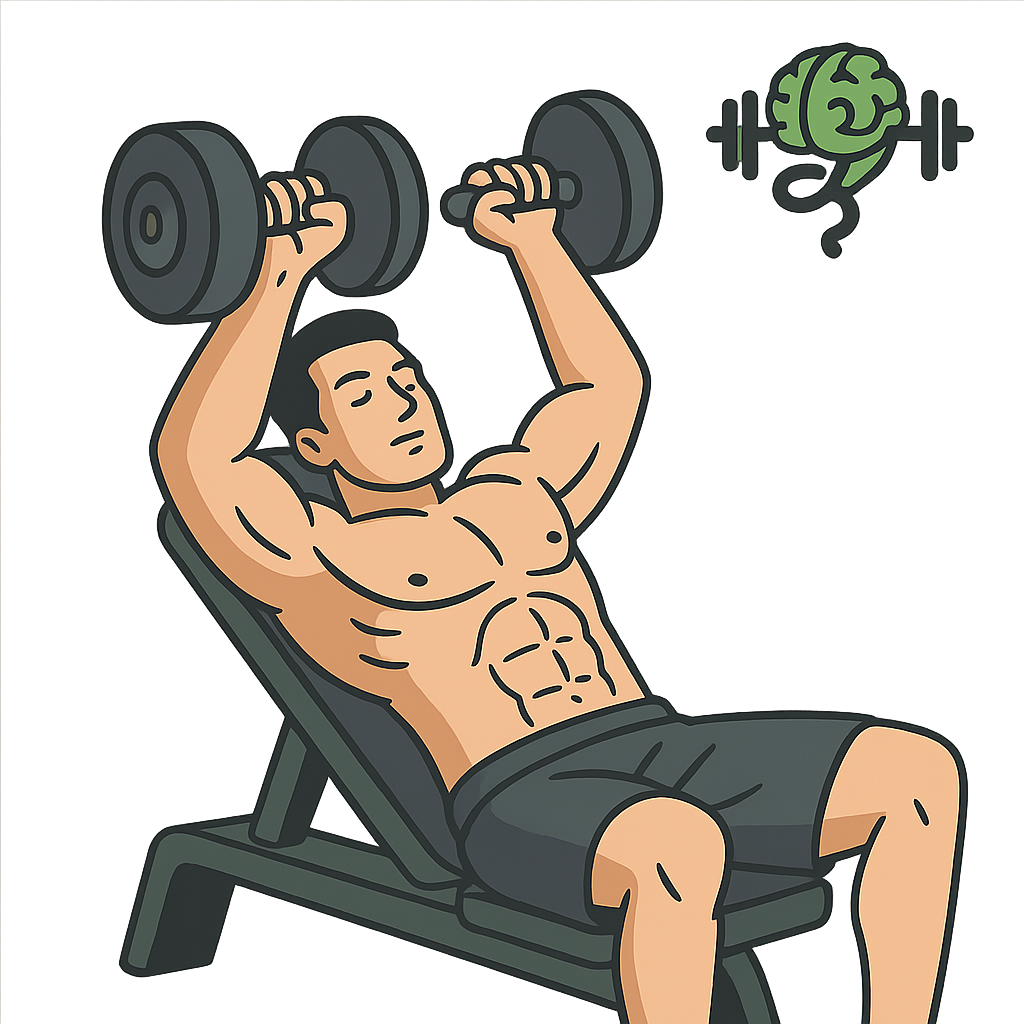
Chest is a major muscle group that plays a crucial role in upper body strength and aesthetics. It includes the pectoralis major and pectoralis minor muscles, which are responsible for movements such as pushing and lifting. Developing chest muscles not only enhances your physique but also improves functional strength for daily activities and sports performance. Effective exercises for building chest strength include bench presses, push-ups, and chest flyes. These exercises target the chest muscles from various angles, promoting balanced development and muscle growth. It's important to incorporate a variety of exercises into your routine to ensure comprehensive chest development and prevent plateaus.
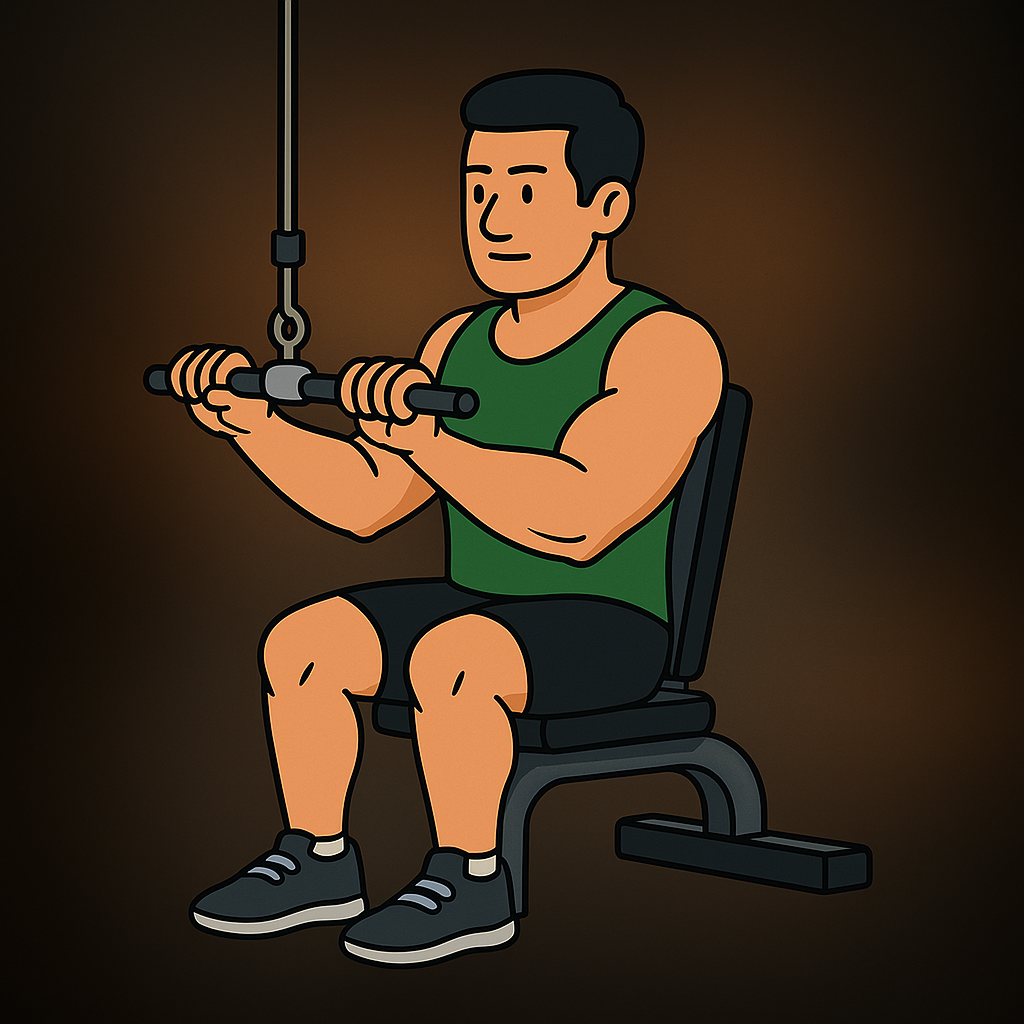
The chest press is a fundamental exercise that targets the pectoral muscles, helping to build strength and size in the chest. It can be performed with a barbell or dumbbells, either on a flat, incline, or decline bench. Proper form is essential to maximize effectiveness and prevent injury. Start with a weight that allows you to perform 8–12 repetitions with good form, gradually increasing the weight as you become stronger. Incorporating chest presses into your workout routine will contribute significantly to your upper body strength and aesthetics.
In addition to strength training, maintaining proper nutrition and recovery practices is essential for optimal chest development. A balanced diet rich in protein, healthy fats, and carbohydrates supports muscle growth and repair. Adequate rest and recovery time allow the muscles to heal and adapt, leading to improved strength and performance over time. By consistently following a well-rounded chest workout routine and prioritizing nutrition and recovery, you can achieve impressive results in your upper body strength and aesthetics.
Triceps are a crucial muscle group located at the back of the upper arm, responsible for extending the elbow and stabilizing the shoulder joint. They consist of three heads: the long head, lateral head, and medial head. Strong triceps not only enhance your arm aesthetics but also play a vital role in pushing movements, such as bench presses and push-ups. Effective exercises for building triceps strength include tricep dips, skull crushers, and overhead tricep extensions. These exercises target the triceps from different angles, promoting balanced muscle development and growth. Incorporating a variety of triceps exercises into your routine is essential for achieving optimal results and preventing muscle imbalances.
Tricep dips are a highly effective exercise that targets the triceps muscles. They can be performed using parallel bars, benches, or even the edge of a sturdy chair. Proper form is essential to maximize effectiveness and prevent injury. Start with bodyweight dips, gradually adding resistance as you become stronger. Incorporating tricep dips into your workout routine will significantly contribute to your upper arm strength and aesthetics.
In addition to strength training, maintaining proper nutrition and recovery practices is crucial for optimal triceps development. A balanced diet rich in protein, healthy fats, and carbohydrates supports muscle growth and repair. Adequate rest and recovery time allow the muscles to heal and adapt, leading to improved strength and performance over time. By consistently following a well-rounded triceps workout routine and prioritizing nutrition and recovery, you can achieve impressive results in your arm strength and aesthetics.
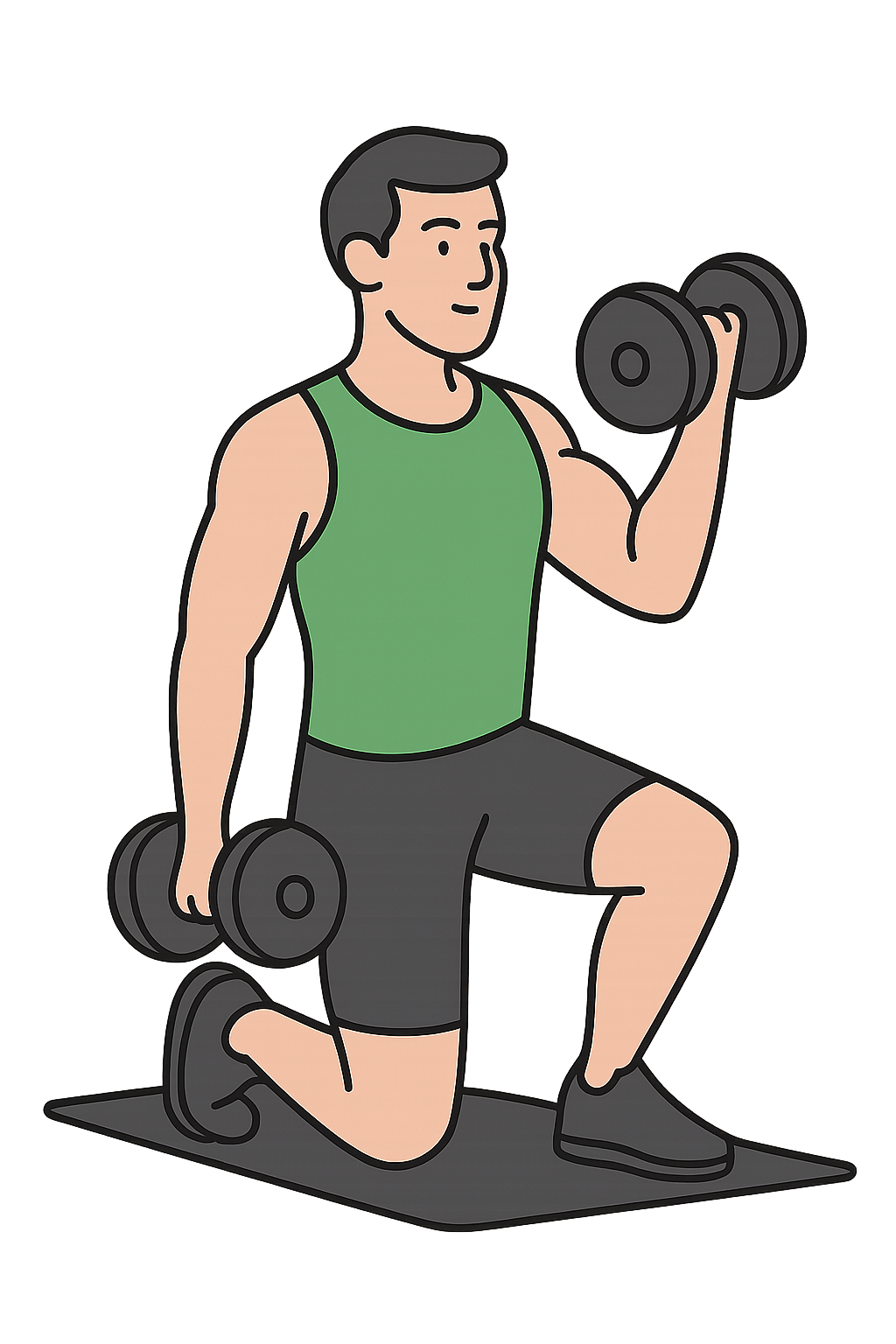
Squats are a fundamental lower body exercise that targets the quadriceps, hamstrings, glutes, and calves. They are essential for building lower body strength, improving balance, and enhancing overall athletic performance. Squats can be performed with body weight or added resistance, such as dumbbells or barbells. Effective squat variations include bodyweight squats, goblet squats, and barbell back squats. These variations target the lower body muscles from different angles, promoting balanced development and growth. It's important to maintain proper form during squats to prevent injury and maximize effectiveness. Incorporating squats into your routine is essential for achieving optimal lower body strength and overall fitness.
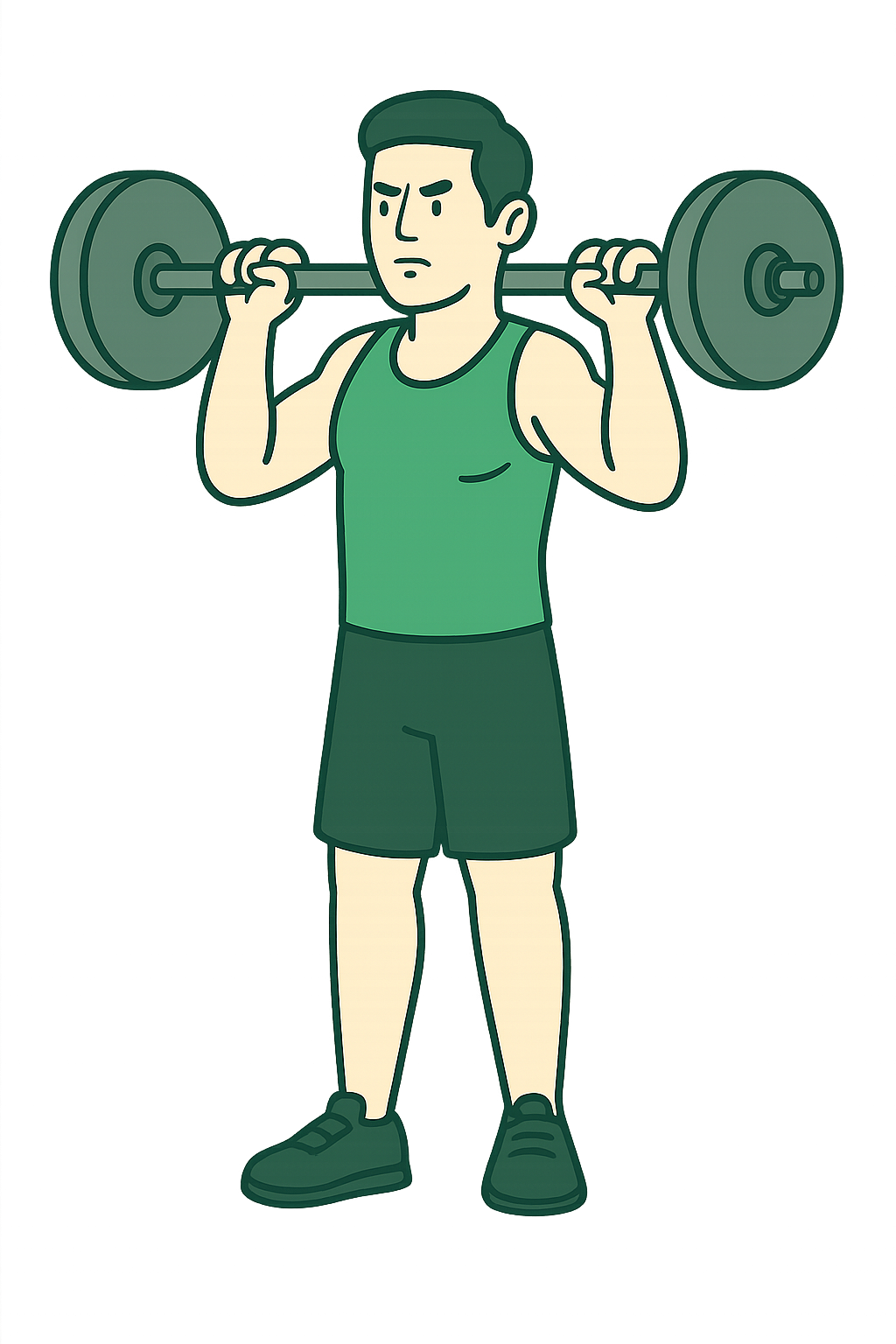
Barbell back squats are a classic exercise that effectively targets the lower body muscles, particularly the quadriceps and glutes. They can be performed with a barbell placed across the upper back. Proper form is crucial to ensure maximum effectiveness and prevent injury. Start with a weight that allows you to perform 8–12 repetitions with good form, gradually increasing the weight as you become stronger. Incorporating barbell back squats into your workout routine will significantly contribute to your lower body strength and overall fitness.
In addition to strength training, maintaining proper nutrition and recovery practices is crucial for optimal squat performance. A balanced diet rich in protein, healthy fats, and carbohydrates supports muscle growth and repair. Adequate rest and recovery time allow the muscles to heal and adapt, leading to improved strength and performance over time. By consistently following a well-rounded squat workout routine and prioritizing nutrition and recovery, you can achieve impressive results in your lower body strength and overall fitness.
Follow these amazing fitness creators to build strength, lose fat, and stay motivated. Each channel offers expert routines, nutrition tips, and real-life results.
Explore MoreScience-based training, posture correction, and injury prevention from a pro physiotherapist.
Evidence-backed workouts, muscle-building science, and nutrition explained simply.
Realistic advice on diet, fat loss, and staying natural, with honest reviews and rants.
Beginner-friendly workouts, form tips, and motivation from a certified trainer with years of experience.